inspiring travel
Polar Cruise — Arctic expedition
Experiences  ·  13

The edge of
the world, unhurried.

Where the ice meets the ocean and the light never quite sets. The polar bear on the floe. The glacier calving in absolute silence. The sky at midnight that is neither day nor night. Some places require a specific kind of effort to reach. They are worth every part of it.

Design your polar expedition →
What this means

Polar travel is the furthest extension of what we believe about journeys: that some places demand to be experienced with depth, not speed, and that the places most worth reaching are usually the hardest to reach well. We design polar expeditions — Arctic and Antarctic — with the same attention that we bring to a honeymoon in the Maldives: the right vessel, the right season, the right team of naturalists on board, and the right level of comfort for the conditions. Because the conditions in these latitudes are not optional — they are the entire point. You do not go to Svalbard for the hotel. You go because there are landscapes there that exist nowhere else on Earth, and that require a vessel, an expedition team, and a willingness to stand on deck in the cold because the light on the glacier just changed. We design for that moment.

What makes it special

Expedition travel
done properly

01

Small Expedition Vessels

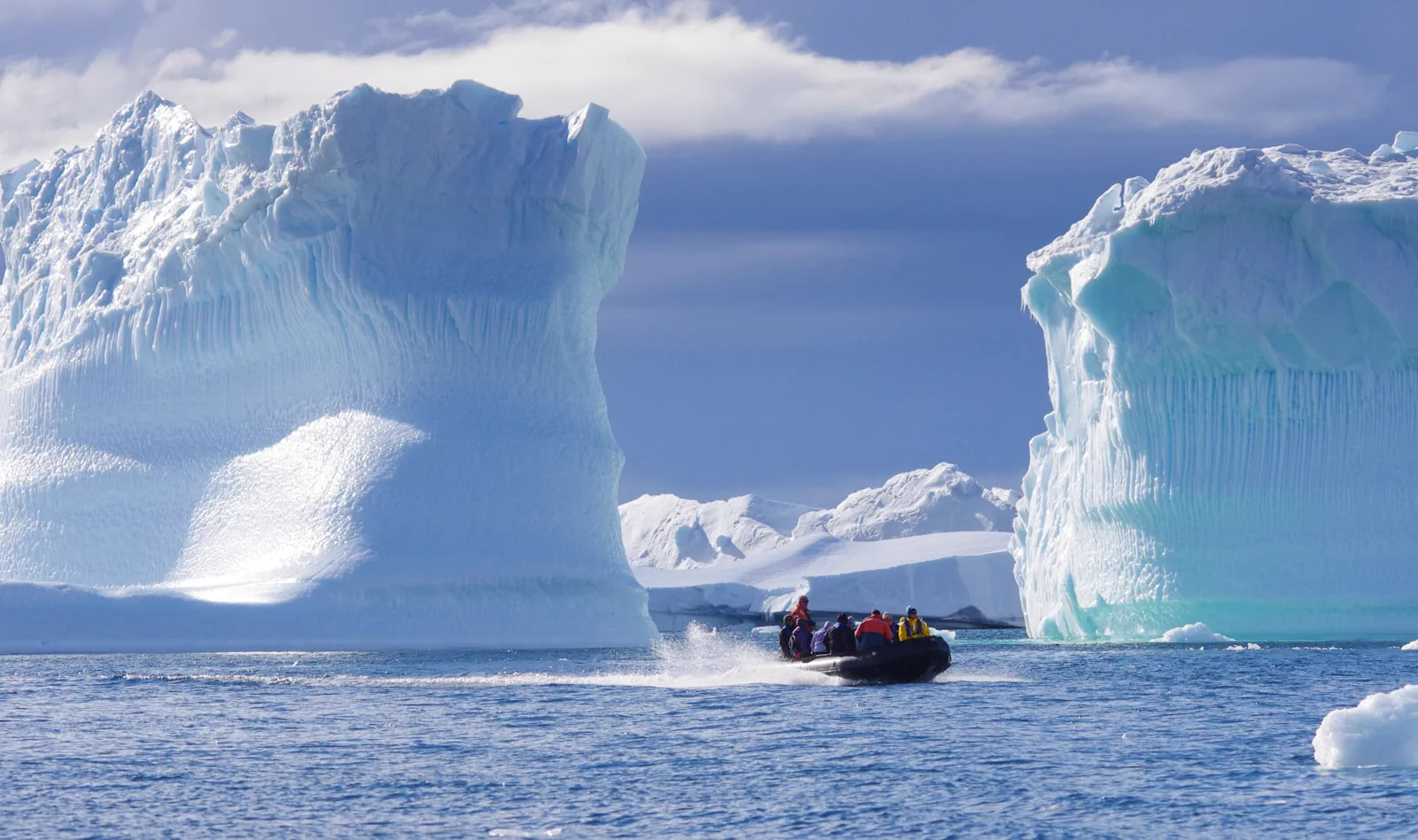
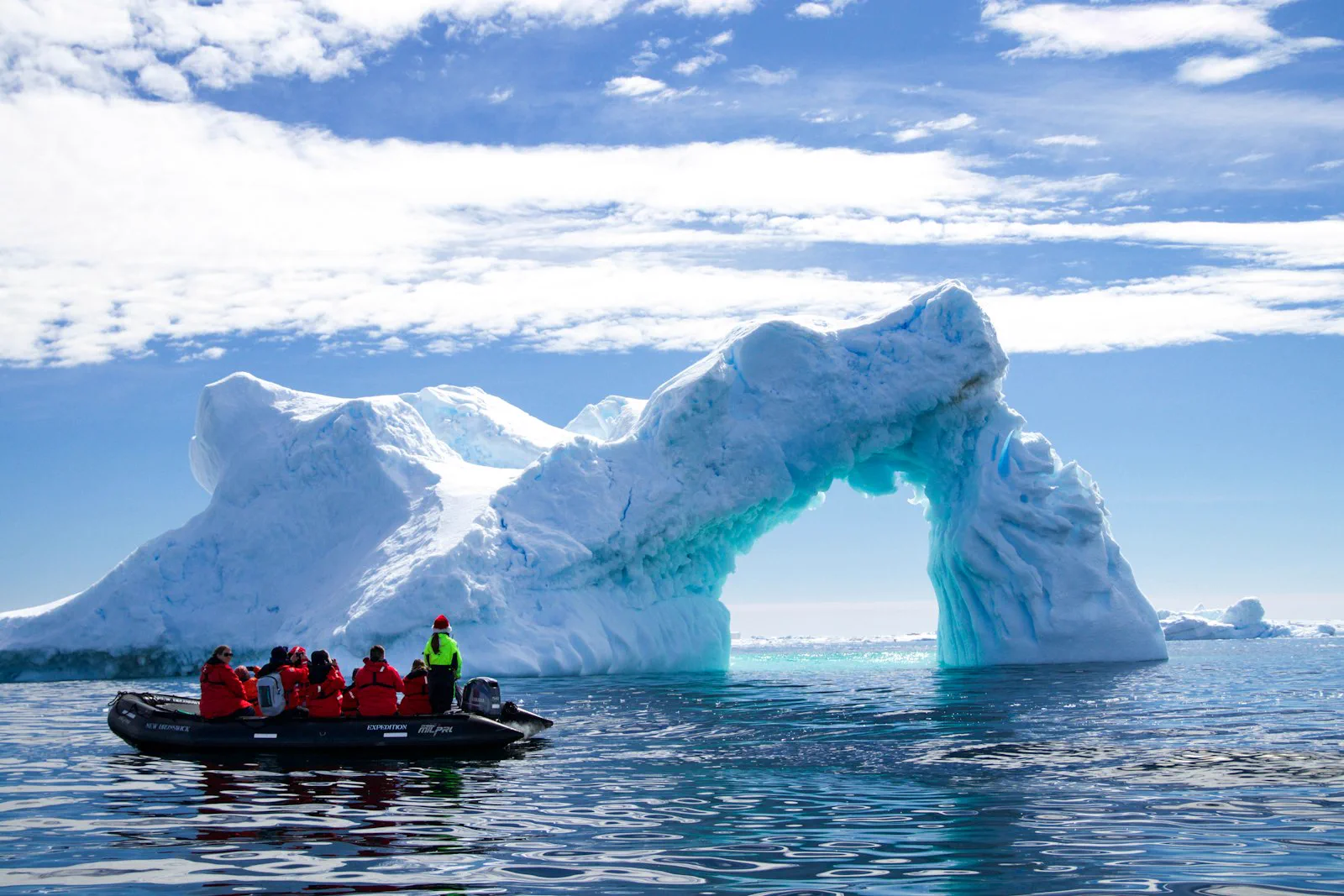
We work only with operators using vessels of 12 to 100 passengers — small enough to access fjords and coves that larger ships cannot enter, and with a passenger-to-staff ratio that allows genuine attention. The expedition leader knows your name. The zodiac landing is announced, not managed by queue.

02

Expert Naturalists

The quality of a polar expedition is determined by the quality of its naturalists. We select operators whose scientists have spent decades in these ecosystems — marine biologists, ornithologists, glaciologists, polar historians. Their knowledge transforms what you see from remarkable to genuinely understood.

03

Seasonal Timing

The Arctic and Antarctic have narrow windows where specific wildlife and light conditions align. We know when to go for polar bears on the ice floes, when the penguin colonies are at maximum in South Georgia, when the midnight sun in Svalbard produces the light that photographers travel across the world to find. Timing is everything.

04

Comfort at the Edge

A good polar vessel has a warm ship, good food, proper equipment provided, and a bar that opens when the zodiacs come back aboard. The experience is rigorous; the return to the ship is not. We specify the level of comfort onboard as carefully as we specify the expedition programme.

The experience

Ten days in
Svalbard

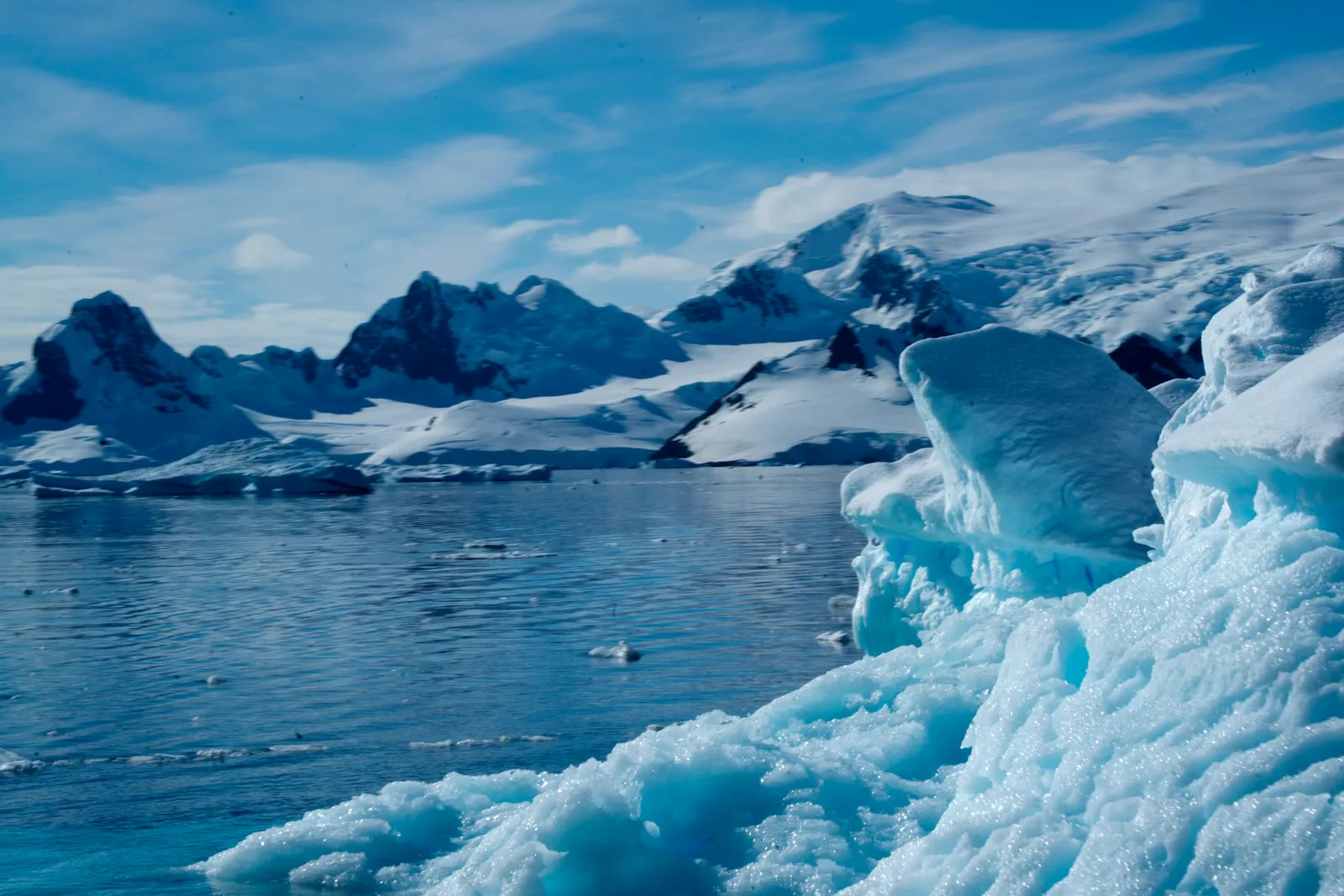
The high Arctic archipelago at 78° north — polar bears, walrus colonies, blue-tinged glacier walls, and the twenty-four-hour light of the Arctic summer. One of the most extraordinary places on Earth, reached by a vessel of 92 passengers with a team of twelve naturalists.

I

The Ice Edge

On day three, the ship reaches the ice edge — the point where the Arctic Ocean meets the permanent pack ice, a shifting boundary that moves by the season and the wind. The naturalist has been tracking a polar bear on the floe for twenty minutes. The zodiacs are lowered. At 200 metres, in absolute silence, the bear turns to look at you. Nothing has prepared you for the scale of it.

II

The Glacier Landing

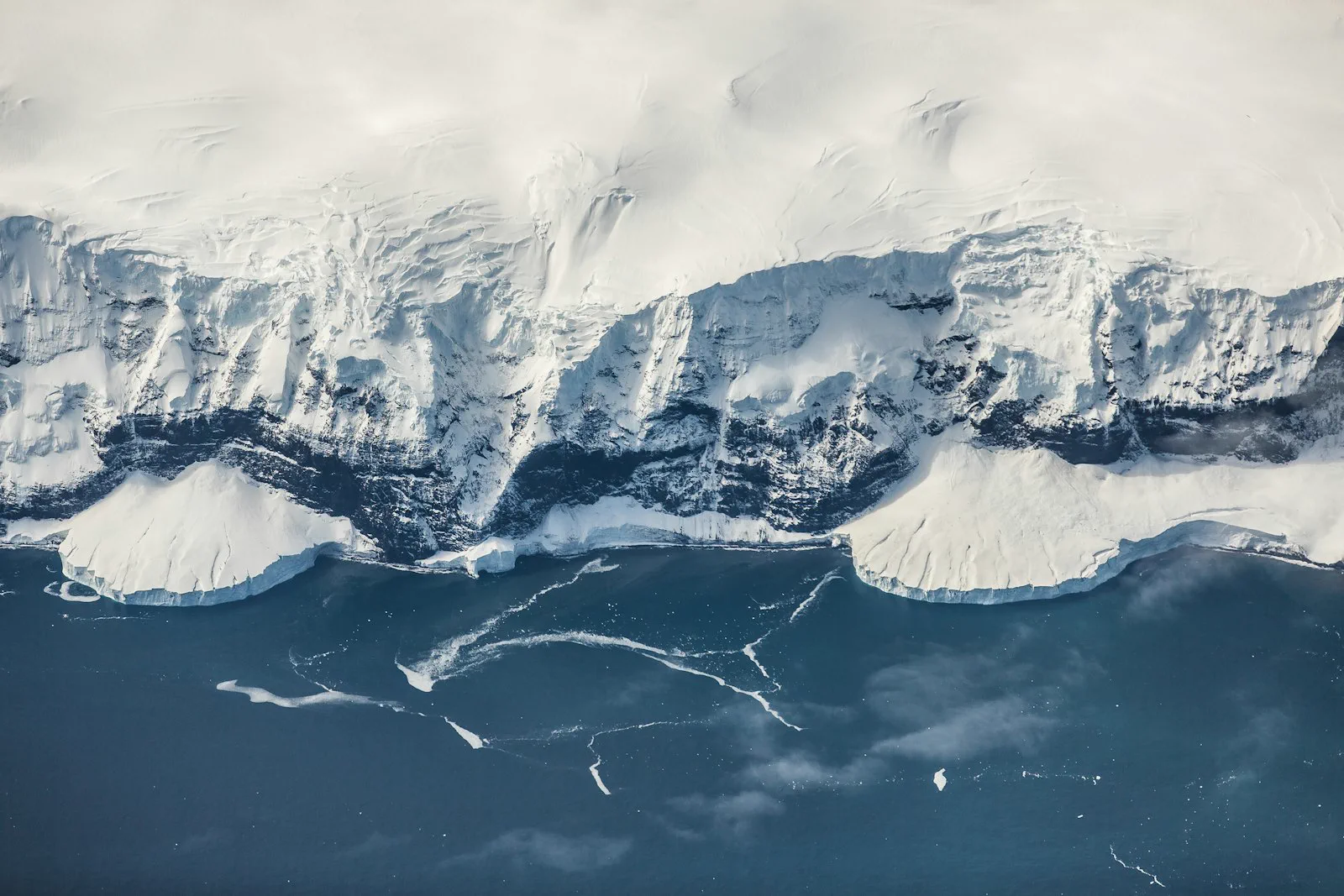
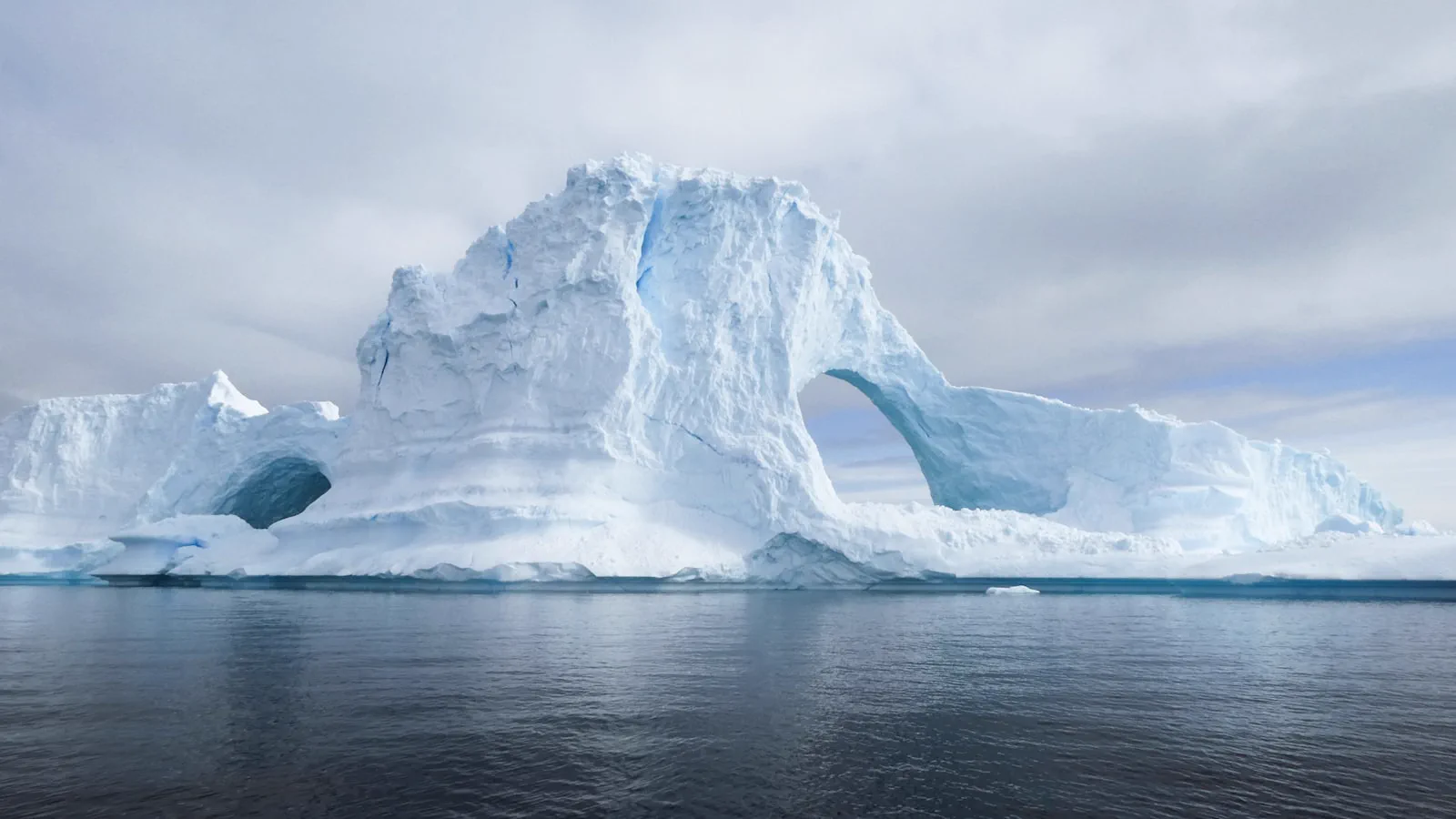
The zodiac brings you to the foot of a glacier — a wall of blue-white ice 30 metres high, calved from a field that extends 40 kilometres inland. The glaciologist explains the striations in the ice that represent 5,000 years of snowfall, compressed and preserved. The glacier calves while she is talking — a sound like a rifle shot, then a slow collapse into green water. Everyone is completely still.

III

Midnight Light

At 11:30pm on day six, the light on the fjord is the colour of hammered copper — the midnight sun, low on the horizon, casting shadows that travel horizontally across the water. The expedition leader calls everyone to the deck. Nobody needs to be called twice. You stand there in silence for forty minutes as the light changes through colours that have no names in any language you speak.

IV

The Return

The ship turns south from 80° north and the briefings in the lecture theatre shift from wildlife to history — the whalers who worked these waters in the 17th century, the explorers who died here attempting the Northwest Passage, the scientists who winter over in Longyearbyen every year. By the time you reach port, you understand something about the planet that you didn't know could be learned by moving through it slowly, at the edge of what is habitable, in a ship that knows where it is going.

Your polar chapter
begins here.

Tell us which extreme calls to you — Arctic or Antarctic, summer light or winter dark — and we will design the expedition that takes you there.

Begin your journey