inspiring travel
Lac Rose — the Pink Lake near Dakar — shimmering in soft dawn light with salt harvesters wading
West Africa · Senegal

West Africa's most
generous welcome

Senegal's concept of teranga — hospitality as a civic value — is not a tourism slogan, it is a lived practice. From Dakar's remarkable contemporary art scene to the mangrove channels of the Casamance and the centuries-old weight of Gorée Island, Senegal offers cultural density that rewards travellers who arrive slowly.

Design your Senegal journey →
Scroll

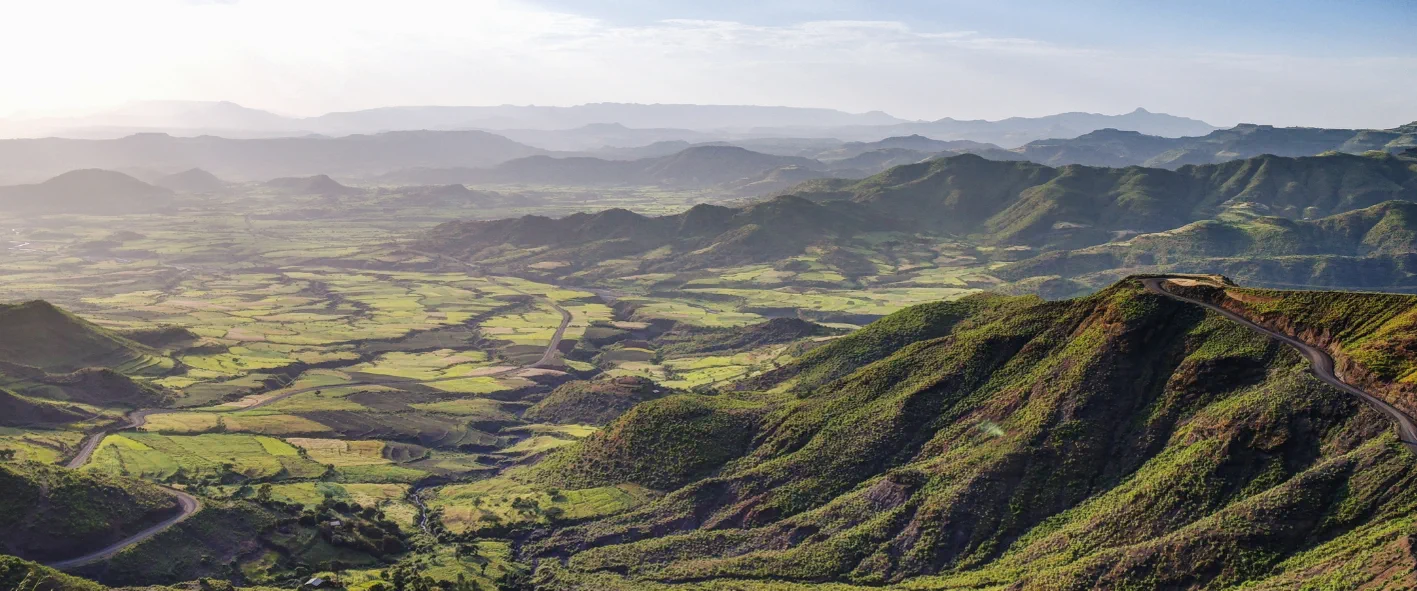
Dakar sits on the westernmost point of the African continent, jutting into the Atlantic like a question asked of the ocean. It is a city that has built an art world — the Biennale de l'Art Africain Contemporain, known as Dak'Art, has operated every two years since 1992 and turned the city's galleries, warehouses, and streets into exhibition spaces that attract curators and collectors from around the world. Beyond Dakar, Senegal's geography offers extraordinary variety in a country the size of South Dakota: the hypersaline Lac Rose whose microorganisms turn the water bubble-gum pink, the baobab-filled interior, the sacred forests and masked ceremonies of the Bassari people in the east, and the Casamance — a southern region separated from the rest of the country by The Gambia, where the landscape shifts from Sahel scrub to lush tropical waterways and a culture with deep animist and Diola roots that feels quite unlike the Islamic north. Music runs through everything: the sabar drum tradition, Youssou N'Dour's mbalax rhythms, and the kora players of the Mandinka griots whose oral histories encode everything the written record omits.

Signature experiences

How we design
your Senegal

Contemporary art installation in a Dakar gallery during the Dak'Art Biennale, bright colours and sculpture
Culture

Dakar's art world — studios, galleries, and the Biennale

We arrange access to Dakar's art ecosystem through the people who built it: studio visits with painters in the Médina neighbourhood, meetings with curators at the Village des Arts complex in Dakar Plateau, and — during Biennale years — private openings and collector dinners that the public programme doesn't advertise. Artists working in Dakar right now include some of the continent's most significant voices in textile, installation, and photography. Outside Biennale periods, the Galerie Nationale, the IFAN Museum of African Arts, and the private galleries around Point E maintain a year-round scene worth several days of exploration.

Salt harvesters wading through the pink waters of Lac Rose near Dakar at first light
Slow Travel

Lac Rose at dawn — with the salt harvesters

Lac Retba — universally called Lac Rose — is coloured by a halophilic microorganism, Dunaliella salina, whose pigment production intensifies in the dry season between November and June. The colour ranges from pale rose to deep strawberry depending on light and salinity. We arrange early morning visits (6am) to arrive before any tourist coaches and spend time with the salt harvesters — a community that has worked the lake for generations, their skin protected against the caustic water by shea butter, their rowing technique adapted to the lake's high density. The contrast of pink water, white salt mounds, and yellow canoes in the low morning light is a composition that a photographer could spend a week on.

A narrow pirogue moving through green mangrove channels of the Casamance river at low tide
Slow Travel

Casamance pirogue — mangrove channels and Diola villages

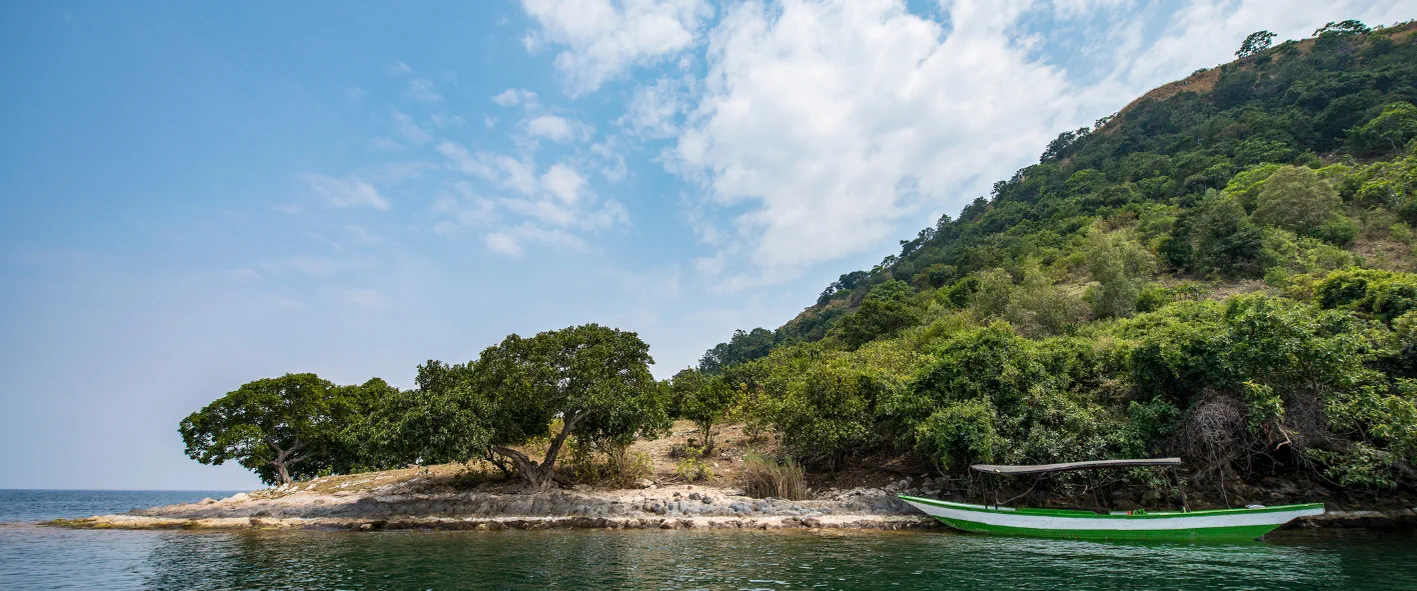
The Casamance river and its tributaries form a labyrinth of mangrove waterways accessible only by pirogue. A two-day river journey from Ziguinchor passes through communities where the Diola people maintain animist traditions alongside Islam — the sacred forest groves that mark village boundaries, the initiation rituals conducted in the forest at intervals of twenty years, and a rice farming culture that is entirely women's domain. We work with a small ecolodge on a tributary that allows the journey to move at the river's own pace rather than a tour schedule, with a local pilot whose family has navigated these channels for three generations.

A suggested journey

9 days
from the Atlantic to the river south

This journey moves from Dakar's urban cultural richness through the coastal Pink Lake and Gorée Island, into the Sine-Saloum Delta's mangrove labyrinth, and down to the Casamance. Best travelled November to May, when heat is manageable, the Lac Rose is at its most intensely coloured, and the Casamance channels are at navigable levels.

Day 1–3

Dakar — art studios, Médina, Gorée Island

Three days in Dakar: a morning in the Médina market and the great mosque, studio visits in the afternoon arranged through a curator contact, and a morning ferry to Gorée Island on day two. Gorée's House of Slaves, where Senegalese guides interpret the Atlantic slave trade with both historical precision and personal ownership of the narrative, is followed by lunch on the island's seafront. The evening music scene around the Plateau neighbourhood — live mbalax several nights a week — deserves a late night.

Day 4

Lac Rose — dawn salt harvest, afternoon drive

An early start for Lac Rose (40 minutes north of Dakar) for the optimal colour and the salt harvesting activity. A private guide from the harvesters' cooperative explains the economics of the lake — salt is exported across West Africa — and the ecological management challenges posed by the lake's growing tourist popularity. Return to Dakar for an afternoon drive along the Petite Côte south toward the Sine-Saloum.

Day 5–6

Sine-Saloum Delta — pirogue, birds, Serer villages

The Sine-Saloum UNESCO Biosphere Reserve is a vast delta of mangroves, tidal channels, and oyster-encrusted islands home to more than 300 bird species — including the royal tern colonies that gather in their thousands on the sand spits from October to March. Two days by pirogue with an ornithologist guide and visits to Serer fishing communities who maintain shell mound burial islands (tumuli) that date from the 8th century onward.

Day 7–9

Casamance — Ziguinchor, river pirogue, Diola villages

A short flight from Ziguinchor opens the Casamance. Two days on the river in a private pirogue, overnighting at a small ecolodge on a mangrove island where the cook prepares the evening's catch — capitaine or thiof — in the thiéboudienne tradition with rice and tomato. A visit to a Diola village on the final morning ends with the women's rice-planting ceremony if the season aligns, or with a kora performance arranged through the village griot. Return to Dakar via Ziguinchor airport.

Day 9

Dakar — departure or extension

A final morning in Dakar allows last purchases at the SOBOA craft market or a breakfast at a Plateau café. For those extending, the Bassari Country in eastern Senegal — a UNESCO World Heritage site for its cultural landscape and masked Kankourang ceremonies — adds three to four days and a very different side of the country.

Your Senegal story
begins here.

Senegal's richness lies in its people and their creative energy — we design journeys that create the conditions for genuine encounter, not observation from a distance.

Begin your journey