The cellars in Gevrey-Chambertin that do not answer the phone. The truffle market in Richerenches on a Saturday in January. Versailles at 9pm with no one else in the Hall of Mirrors. These are not upgrades. They are the actual experience.
Design your France journey →France has been so thoroughly documented that the challenge is no longer finding information — it is finding the version of France that exists behind the information. The Burgundy Grand Cru domaines that have waiting lists measured in decades and decline to correspond with buyers they don't know personally. The Richerenches truffle market, which operates every Saturday in January not as a tourist attraction but as a serious commercial exchange — the truffles move in cash, the prices are not posted, and the buyers are the same restaurateurs and négociants who have been coming for twenty years. Versailles after the last coach has left is not a tourist experience but an architectural one: the scale of the place, which the crowds make impossible to perceive, suddenly becomes available. The Basque Country, which has its own language, its own culinary tradition, and its own particular pride, is the France that most French people haven't visited either.
The great Burgundy domaines — Rousseau, Roumier, Mugnier, Leflaive — do not receive visitors without a prior relationship. We have those relationships, built over years of working with négociants who act as trusted intermediaries. A private cellar visit in Gevrey-Chambertin or Chambolle-Musigny includes a tasting of wines that are not available for purchase anywhere: library vintages, barrel samples, the winemaker's personal selection of bottles that were never released. It is an education in precision and place that no retail experience can approximate.
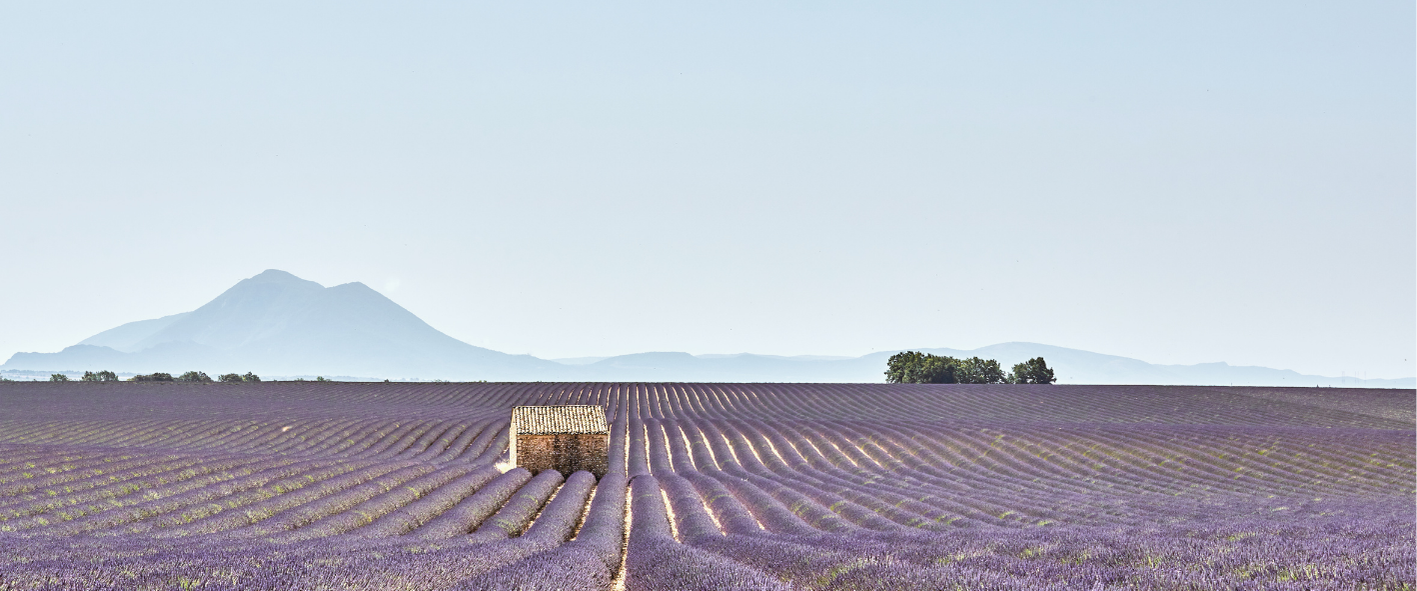
The village of Richerenches, in the Vaucluse, hosts the largest black truffle market in France every Saturday between November and March. This is not a market designed for visitors — it is a professional exchange where producers sell to buyers, and where the transaction happens quietly, in cash, out of the backs of cars. We arrange attendance with a chef from a two-star restaurant in the Luberon who comes here every week during the season, and who understands the gradations of quality that the price differentials reflect. Lunch follows at the chef's table.
The Château de Versailles receives six million visitors a year, almost all of whom see the Hall of Mirrors as a corridor to pass through rather than a space to inhabit. We arrange private evening access — after the final public tour has left, through the curatorial services office with which we have a long-standing arrangement — for a two-hour private visit that moves at your pace. The 357 mirrors, the Le Brun ceiling paintings, the gardens seen through the west-facing windows as the last light leaves the Grand Canal: these things require silence to understand.
A journey from Burgundy through the Loire, south to Versailles and Provence, finishing in the Basque Country. Designed to be travelled in May — when the vineyards are flowering in Burgundy and the Basque pintxos bars are at their least crowded — or in late September during harvest.
Arrival in Dijon. Three days based in the Côte de Nuits — Gevrey-Chambertin, Morey-Saint-Denis, Chambolle-Musigny. Private cellar visit with a négociant introduction to a Grand Cru domaine. Dinner at a restaurant in Beaune that sources exclusively from domaines within cycling distance. A morning at the Hospices de Beaune before it opens to the public.
Transfer to the Île-de-France. Private evening access to the Château de Versailles. One night in Paris at a family-owned hotel on the Left Bank, followed by a morning at the Marché d'Aligre with a food writer — not the tourist Bastille market, but the covered hall where Paris's professional cooks shop.
Flight to Marseille, transfer to the Luberon. Three nights at a mas in the Vaucluse. Saturday: the Richerenches truffle market with a chef guide. Two afternoons exploring the Luberon villages — Ménerbes, Bonnieux, Lacoste — with a local historian who has documented the region's 18th-century rural architecture.
Transfer west. Two nights on the Basque coast. Private surf lesson at dawn at La Côte des Basques with a professional instructor (not a surf school). Evening pintxos tour in Saint-Jean-de-Luz with a local chef who trained at Arzak across the border in San Sebastián and understands both traditions.
Two days in the Basque interior: the Espelette pepper harvest (October) or the drying racks in summer, the Aldudes valley where Pierre Oteiza raises Basque black pigs for the best jambon de Bayonne in France. A private visit to the curing cellar, followed by a dinner cooked by a local chef using only ingredients from the valley — a meal that has no menu, just what is ready.
France rewards the traveller who understands that the best things here have always been kept close — shared only between those who knew to ask.
Begin your journey