inspiring travel
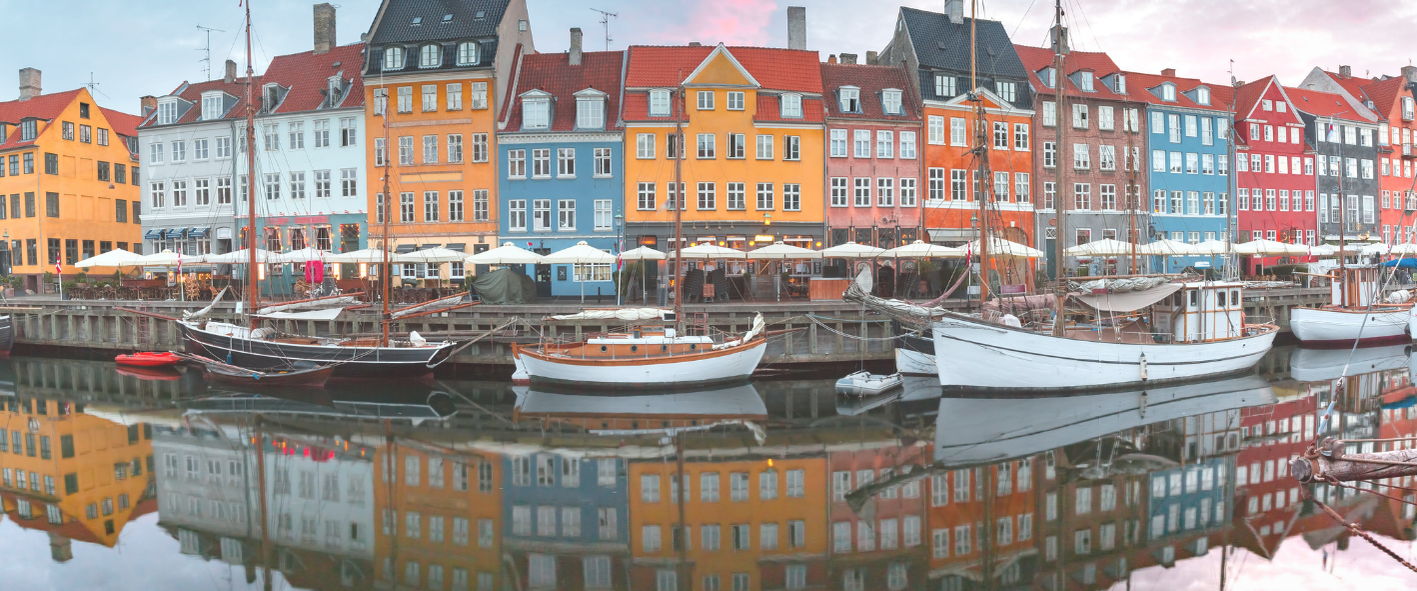
Copenhagen canal with coloured warehouse facades reflected in still water at evening
Scandinavia · Denmark

Restraint as a form
of radical generosity

Denmark operates on a different register from other European destinations — quieter, more considered, and entirely without performance. The best table in Copenhagen doesn't have a sign above the door. The most interesting design studio in Frederiksberg isn't open to the public. We know both.

Design your Denmark journey →
Scroll

The Noma effect reshaped how the world thinks about Scandinavian cuisine, but the more interesting story is what happened after: the alumni who left to open their own places, to farm their own ingredients, to smoke their own fish on Bornholm and grow their own herbs in repurposed greenhouses on the city's fringe. Copenhagen today is a city of considered small things — a wine bar with thirty covers and a list that changes daily, a furniture restorer in Vesterbro who repairs only pre-1960 Danish design, a cycling route through Frederiksberg that a local architect designed not as a tour but as a way of understanding how the neighbourhood thinks about light and proportion. The city rewards the curious and the unhurried. The Louisiana Museum of Modern Art, seen in the hour after the last public visitor has left, with a member of the curatorial team, is an experience that has nothing to do with the usual museum visit.

Signature experiences

How we design
your Denmark

Copenhagen new Nordic restaurant kitchen counter with seasonal ingredients arranged precisely
Copenhagen · Gastronomy

The new Nordic table — the real one

We do not book the restaurants you have already read about. We book the ones that their alumni run now: a twelve-cover counter in Nørrebro where the chef changed the menu when the mackerel changed, a fermentation-focused restaurant in a repurposed meatpacking building that accepts reservations only by email and rarely responds to those they don't recognise. We have the relationships that get the response. We pair the dinners with a private market walk the morning before, so the meal means something specific.

Bornholm smokehouse with wooden fish-drying racks and amber light filtering through smoke
Bornholm · Producers

Bornholm smoke-houses with the producers

The island of Bornholm has been smoking herring, mackerel and eel over alder wood for centuries, and the Røgeri tradition here is classified as Danish cultural heritage. We arrange a morning with a producer at one of the seven remaining family smoke-houses — not a demonstration, but an actual working visit, arriving with the catch and leaving with smoked fish wrapped in newspaper, eaten at a picnic table outside. In the afternoon: Bornholm's ceramicists, who have been at work here since the 1960s.

Louisiana Museum of Modern Art sculpture garden overlooking the Øresund strait at dusk
Humlebæk · Art

Louisiana after hours

Louisiana — forty kilometres north of Copenhagen on the Øresund coast, built into a slope above the water — is one of the best-designed museums in the world, and that design is best understood when the building is quiet. We arrange a private evening with a member of the curatorial team: the Giacometti collection without crowds, the sculpture garden in the last of the summer light, and the particular quality of silence that the building produces when it belongs only to you.

A suggested journey

9 days
from the capital to the archipelago's edge

A journey that moves from Copenhagen through the Danish countryside to Bornholm, with an optional day trip by helicopter to the Faroe Islands. Best travelled between May and September, when the evenings are long and the Danish summer light does things to ordinary objects that make them look extraordinary.

Day 1–3

Copenhagen

Arrival and three nights in a privately managed hotel in the Latin Quarter. Private cycling tour of Frederiksberg with a local architect. New Nordic dinner at a chef's table arranged through our restaurant contact. Morning visit to the Design Museum Denmark with a curator who tracks how Danish furniture moved from craft to export product in the 1950s.

Day 4

Louisiana & North Zealand

Morning drive north through the Øresund coast. Private afternoon at Louisiana, including the sculpture garden and a conversation with a curator about the building's relationship to the water. Late afternoon at Kronborg Castle in Helsingør — seen not as Hamlet's castle but as a 16th-century customs post that controlled all Baltic sea trade for 400 years.

Day 5–6

Bornholm

Flight to Bornholm. Two nights at a farmhouse property in the island's interior. Morning at a Røgeri smoke-house with the producer. Afternoon visit to a ceramics studio in Gudhjem. Evening at the island's best restaurant, which seats fourteen people and changes its menu based on what arrived that day.

Day 7

Faroe Islands — day trip

Helicopter from Bornholm to Copenhagen, then a morning flight to Vágar in the Faroe Islands. A full day on Streymoy and Vágar — the Saksun turf-roofed church, the Trælanípa cliff above Lake Sørvágsvatn (the lake that appears to hang above the ocean), lunch of fermented lamb and dried fish at a farmhouse that accepts arranged visitors. Return flight to Copenhagen in the evening.

Day 8–9

Copenhagen — final days

Two final mornings in Copenhagen: Torvehallerne food market with a Danish food writer, a private visit to a collector's apartment in Frederiksberg C where three generations of Finn Juhl and Hans Wegner pieces are in actual daily use. Farewell dinner at a restaurant that opened six months ago and has already become the place that Copenhagen's chefs eat on their nights off.

Your Denmark story
begins here.

Denmark at its finest is a country that has learned to do everything with less — and in the doing, to produce something that no amount of more can replicate.

Begin your journey