inspiring travel
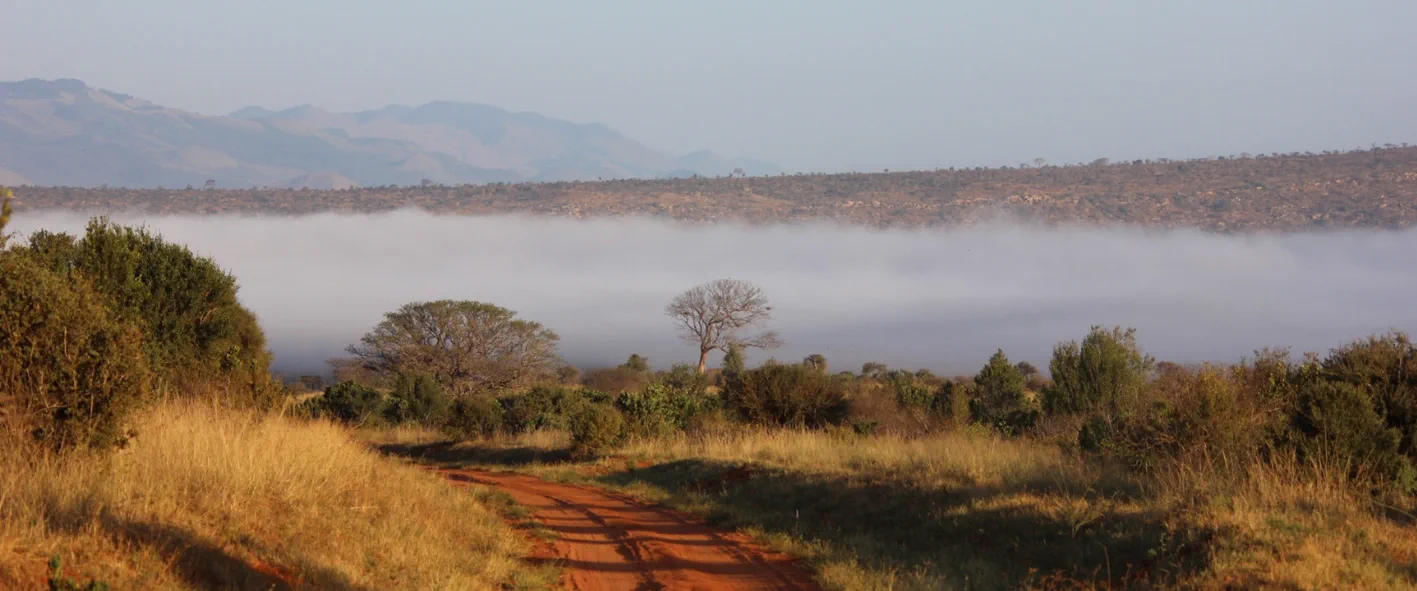
Mokoro canoe drifting through papyrus channels of the Okavango Delta at golden hour
Southern Africa · Botswana

Where the desert drinks
and elephants remember

Botswana chose a different path: fewer visitors, greater wilderness. From the flood-fed channels of the Okavango Delta to the white silence of Makgadikgadi, this is Africa without compromise — experienced from private concessions where the only schedule is the animals'.

Design your Botswana journey →
Scroll

Botswana made a deliberate choice decades ago: limit visitor numbers, concentrate investment in conservation, and let the wilderness set the terms. The result is an Africa that feels genuinely intact — where lion prides sleep undisturbed in the shade of leadwood trees and bull elephants shoulder through mopane forest without the background hum of diesel convoys. In the Okavango Delta, the world's only inland delta that fans out into the Kalahari rather than into the sea, the water arrives from Angolan rains four months after they fall, flooding channels that were bone-dry and summoning life in extraordinary concentrations. On private concessions bordering the main reserves, your camp may be the only structure for forty kilometres in any direction. This is not a destination for those who want Africa served efficiently. It is for those who want to feel it properly.

Signature experiences

How we design
your Botswana

Mokoro canoe poled silently through lily-covered channels in the Okavango Delta
Slow Travel

Mokoro into the inner Delta

A mokoro — a dugout canoe poled by a guide who has read these channels since childhood — is the only way to enter the heart of the Okavango at water level. You pass through tunnels of papyrus, skim over lily pads where jacanas walk on water, and pull up onto a palm island to walk silently with a tracker into elephant country. Private camps in the Jao or Nxabega concessions place you deep inside the system, far from any shared area, and the silence between birdcalls is total.

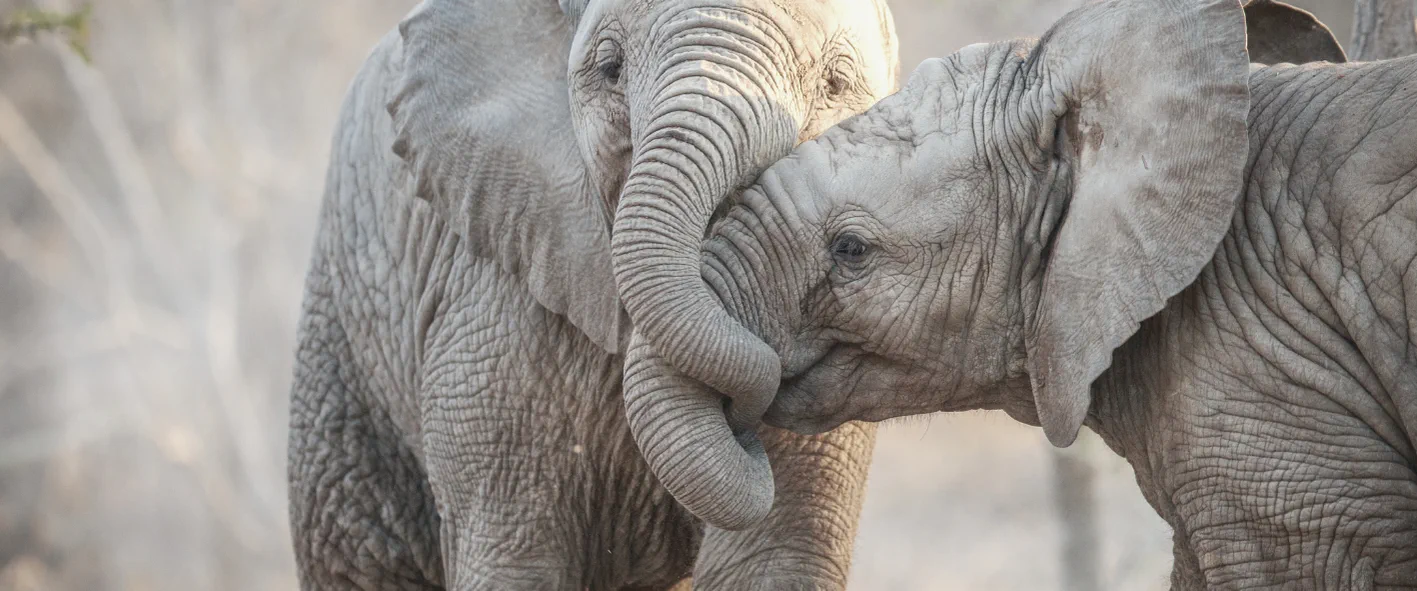
Elephant herd drinking from the Chobe River at dusk
Wildlife

Chobe River elephants by private boat

The Chobe River in the dry season draws the largest concentration of elephants on the planet — herds of eighty, a hundred, two hundred animals arriving at the bank at dusk to drink, swim, and play. We arrange private sunset boat trips from intimate lodges on the Chobe's edge, where you drift at arm's length from the water while bulls sparring in the shallows, calves struggling across current, and the whole extraordinary scene unfolds without another boat in sight. The Chobe National Park is accessed from the water, then on game drives through the Serondela floodplains at first light.

Makgadikgadi salt pans under a vast star-filled sky at midnight
Adventure

Makgadikgadi: sleeping under five billion stars

The Makgadikgadi is one of the largest salt pans on Earth — an ancient lakebed so flat and white that in the dry season it becomes a mirror for the sky, and at night, with zero light pollution for three hundred kilometres, the Milky Way throws shadows. We design fly-camp experiences on the pans with Kalahari-specialist guides who can read the landscape's subtleties: meerkats at their dawn sentinel posts, brown hyena tracks around a dead acacia, and the strange, meditative experience of standing somewhere that feels genuinely boundless. The green season (December to March) brings thousands of zebra and wildebeest in an understated migration few travellers know about.

A suggested journey

10 days
through water, salt and silence

This route moves from the watery abundance of the Okavango Delta through Chobe's elephant-thick riverine forests and out onto the mineral emptiness of the Makgadikgadi. Best travelled June through October, when dry-season conditions concentrate wildlife and nights on the pans turn sharp and cold before the stars appear.

Day 1–2

Maun — Jao Concession, Okavango Delta

A light aircraft from Maun delivers you over the Delta's impossible patchwork of channels and islands. Your private concession camp sits on a raised palm island; afternoons are spent on mokoro, evenings on the deck watching hippos surface in the channel below. Your guide reads the papyrus stems to judge current — a skill that takes years.

Day 3–4

Chief's Island — Moremi Game Reserve

A short flight to Chief's Island, the largest in the Delta and the core of Moremi. Walking safaris here are among the best in southern Africa — you track lion on foot with a professional guide, reading grass pressure and dung age, before returning to camp for a bush lunch under a fig tree. Wild dog dens are often active between July and September.

Day 5–6

Chobe National Park — Chobe Riverfront

Fly north to Kasane and settle into a small lodge on the Chobe riverfront. Game drives at dawn move along the Serondela floodplains where buffalo herds graze alongside sable antelope; the afternoon boat trip on the river is the defining Chobe experience — elephants crossing, hippos yawning, and fish eagles dropping to the water's surface in a single precise arc.

Day 7–8

Linyanti — Private Concession, Northern Botswana

The Linyanti system — where the Kwando River pools into a series of lagoons and reed beds — holds some of the densest predator populations in the country. A private concession here means night drives with a spotlight and tracker, watching African wild cats hunt along the road edges and spotted hyena clans gather at a kill. The bush camp format keeps groups to six guests maximum.

Day 9–10

Makgadikgadi Pans — Fly Camp

The final fly-camp on the pans is the journey's quietest chapter. By day, quad bikes cross the white expanse to baobab groves at the pans' edge; at dusk, guides prepare a fire-cooked dinner as darkness arrives with startling speed. The night sky here — away from every artificial light source — is the kind that changes a person's sense of scale. Return to Maun on the final morning for onward connections.

Your Botswana story
begins here.

We hold relationships with the concession managers, the walking safari guides, and the camp designers who make Botswana's private wilderness genuinely accessible — and genuinely private.

Begin your journey